Technology
Inside Alcor’s bid to pause death and the questions still unanswered
By James Ramirez
Advertisement · Why this ad?
Rita, a graduate of Valdosta State University, has dedicated her career to covering college athletics. With over six years of experience at local sports networks, she knows the ins and outs of the Blazers and the surrounding competition.
More from Rita →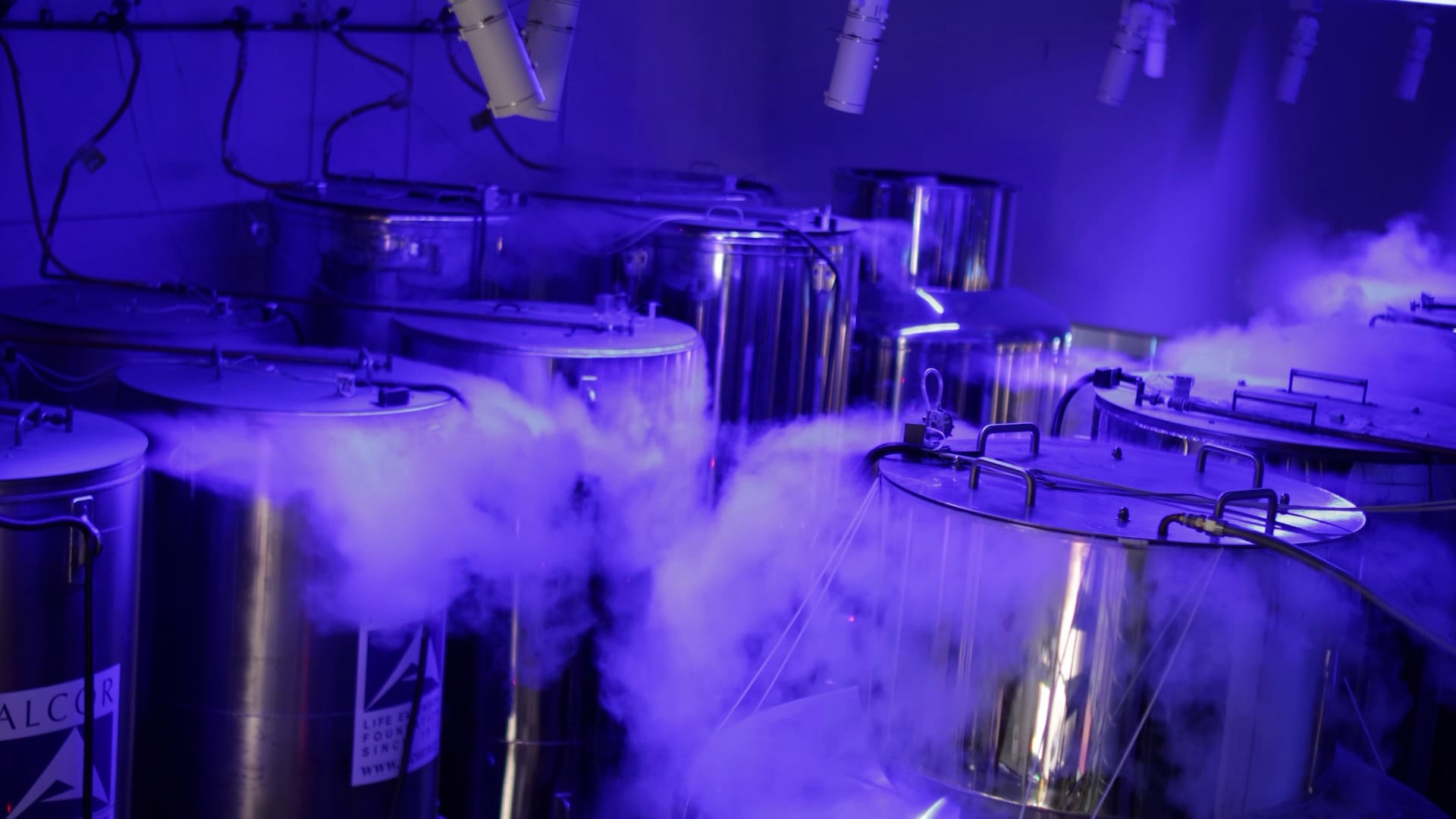
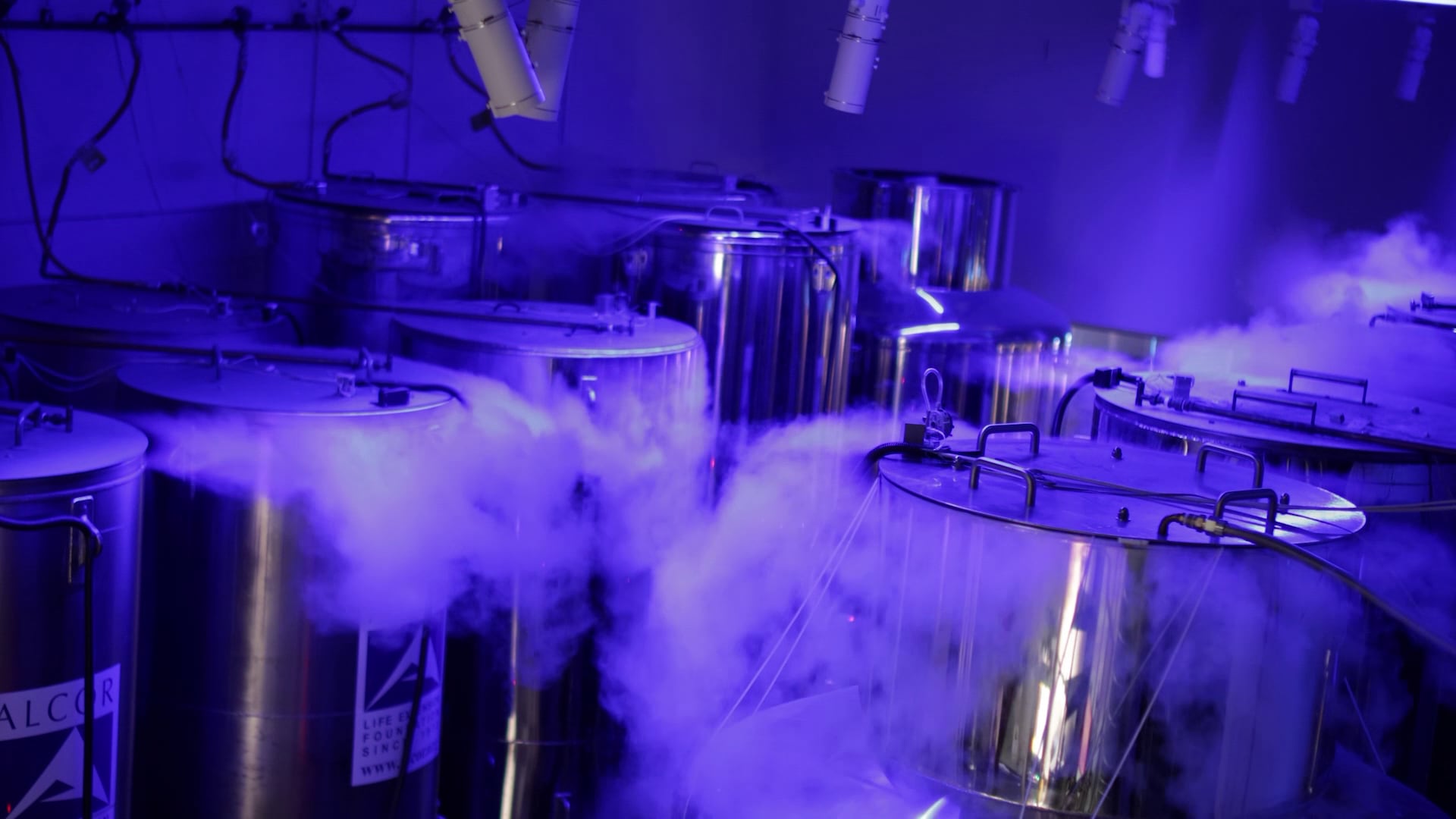
Alcor, a nonprofit based in Scottsdale, Arizona, is pushing the boundaries of medical science by offering a controversial and ambitious service: cryonics. This practice involves preserving life by pausing the dying process using subfreezing temperatures, a concept that has long been the stuff of science fiction but is now becoming a real option for some individuals.
Since its inception in the 1970s, Alcor has been on the cutting edge of cryonics, specializing in the preservation of human and animal bodies. For members like Rick Lemler, a local author who has signed up to be cryopreserved after legal death, the idea is not about certainty but possibility. “It’s something I choose to believe,” Lemler said. “It’s something I believe in and am willing to gamble.”
The history of cryonics itself is rooted in earlier attempts at preserving bodies, dating back to the 19th century. Early methods were rudimentary, often involving simply freezing bodies with dry ice. The modern concept of cryonics, however, emerged with the development of liquid nitrogen and the understanding that cellular damage during freezing primarily stemmed from ice crystal formation. The founders of Alcor, along with other early cryonics organizations, envisioned a future where advanced medical technology could not only revive these preserved individuals but also potentially cure the diseases that led to their deaths.
Alcor’s process, known as vitrification, uses chemicals and controlled cooling to prevent ice crystals from forming inside the tissue, thereby preserving cells and tissues as intact as possible. The organization’s CEO, James Arrowood, explains that this is akin to a biological antifreeze that prevents ice from forming inside the tissue. This process can have implications beyond cryonics, particularly in organ donation and transplantation.
The M22 solution Arrowood mentioned is a crucial element of Alcor's vitrification process. It’s a proprietary mixture designed to permeate cells and replace water, preventing the formation of damaging ice crystals. The development and refinement of such cryoprotectants have been a significant focus of research in the field, with ongoing efforts to improve their effectiveness and minimize potential toxicity. While M22 is currently the standard at Alcor, research continues to explore alternative cryoprotective agents that might offer even better preservation outcomes.
For Lemler, the concept of being cryopreserved is more than just a technological leap—it’s a personal journey. “Here I am almost becoming a real-life character of my own books,” he said. “So that’s kind of cool.”
The concept of cryonics has long drawn skepticism and controversy. In a community like Valdosta, where faith and traditional values often hold significant sway, the idea of suspending death can be particularly challenging to reconcile with existing beliefs about the afterlife. Discussions surrounding cryonics often spark debates about the definition of life, death, and the role of science in defying natural processes.
Dr. Arthur Caplan, a bioethicist from NYU Grossman School of Medicine, calls the idea of freezing a body with the expectation of revival “preposterous.” He points to several barriers that current science has not solved, including the freezing process itself and the challenges of reanimating a brain if it were ever removed from storage. He raises important ethical questions about the potential for exploitation, the allocation of resources, and the societal implications of extending human lifespan indefinitely.
Caplan’s concerns resonate with some in Valdosta. While others find the prospect intriguing, some express reservations about the potential for creating a divide between those who can afford cryopreservation and those who cannot. The high cost of the procedure also raises questions about whether resources could be better allocated to addressing more immediate healthcare needs within the community.
Despite the skepticism, Alcor continues to operate, with a goal of preserving cells and tissues as intact as possible. Arrowood emphasizes that the organization’s primary goal is to preserve healthy cells without damage, which could have broader implications in medical research and organ preservation.
Alcor’s response team, often referred to as the “DART” team, moves quickly when a member dies. The team cools the body and prepares it for vitrification as soon as legally possible. The rapid response is critical because the window of opportunity for successful cryopreservation is limited. The team, often comprised of medically trained personnel, including former military members, is meticulously trained to handle the delicate process with precision and efficiency.
Once preparation is complete, patients are placed inside a dewar, a large container designed to hold liquid nitrogen at roughly -320 degrees Fahrenheit. These dewars are essentially sophisticated, vacuum-insulated refrigerators that maintain extremely low temperatures for extended periods. The long-term stability of these dewars and the ongoing maintenance required to ensure their functionality are crucial aspects of Alcor’s operations.
Vitrification isn't simply about freezing something quickly. It's a complex process that requires precise control of temperature, chemical concentrations, and cooling rates. The goal is to transform the tissue into a glassy, amorphous state—like glass—without the formation of ice crystals. This requires carefully calculated infusions of cryoprotectants, followed by a gradual cooling process that minimizes cellular stress. The science behind vitrification is constantly evolving, with researchers exploring new cryoprotectants and cooling techniques to improve preservation outcomes. The long-term effects of these cryoprotectants on cellular function remain an area of ongoing research.
The future of cryonics remains uncertain. Alcor’s CEO, James Arrowood, admits that he doesn’t know if the process will ever work, but he compares the gamble to early medical breakthroughs that initially seemed impossible. “The first heart transplant patient knew he would die a week or two later,” Arrowood said. “He did it because 30 years forward, his grandchildren—if they needed a heart—could get one and would live a full life.”
The potential for future medical advancements is central to the cryonics proposition. While current technology lacks the ability to revive cryopreserved individuals, breakthroughs in nanotechnology, regenerative medicine, and artificial intelligence could theoretically offer pathways to repair cellular damage and restore functionality. Some scientists speculate that future nanobots could even be used to repair microscopic damage caused by the freezing process.
For Lemler, the choice is deeply personal and rooted in the idea that the alternative is final. “Concerned,” he said. “I know there is a good chance that it might not. But I don’t feel like I’m losing anything in the bargain here.”
Cryonics isn’t cheap. Whole-body preservation typically costs about $220,000, while neuro preservation generally ranges from $80,000 to $90,000. These costs cover the initial preservation process, as well as ongoing storage and maintenance fees. Alcor relies heavily on life insurance policies to fund these services, and members are typically required to secure substantial coverage to ensure the long-term viability of their preservation.
Alcor acknowledges the skepticism and the logistical challenges, but remains committed to advancing the field of cryonics. The organization’s history includes high-profile disputes and calls for greater regulation, but Arrowood says much of what people cite is old. “Many of these things are 30 to 40 years old,” he said. “That’s not uncommon anytime you’re in the technology space.”
The regulatory landscape surrounding cryonics remains complex and varies by jurisdiction. While cryopreservation itself is generally legal, there are ongoing discussions about the ethical and legal implications of suspending death and the potential for future legal challenges related to the revival of cryopreserved individuals.
For communities like Valdosta, the emergence of technologies like cryonics presents a unique opportunity for dialogue and reflection about the future of humanity and our relationship with mortality. While the prospect of being frozen and revived may seem distant, it raises fundamental questions about what it means to be human and the potential for science to reshape our understanding of life and death.
By James Ramirez

By Caleb Wright

By Stephen Collins

By Lindsey Patel