
Real Estate
As Americans get older, the need for ‘aging-ready’ homes grows
By Margaret
Advertisement · Why this ad?
Rita, a graduate of Valdosta State University, has dedicated her career to covering college athletics. With over six years of experience at local sports networks, she knows the ins and outs of the Blazers and the surrounding competition.
More from Rita →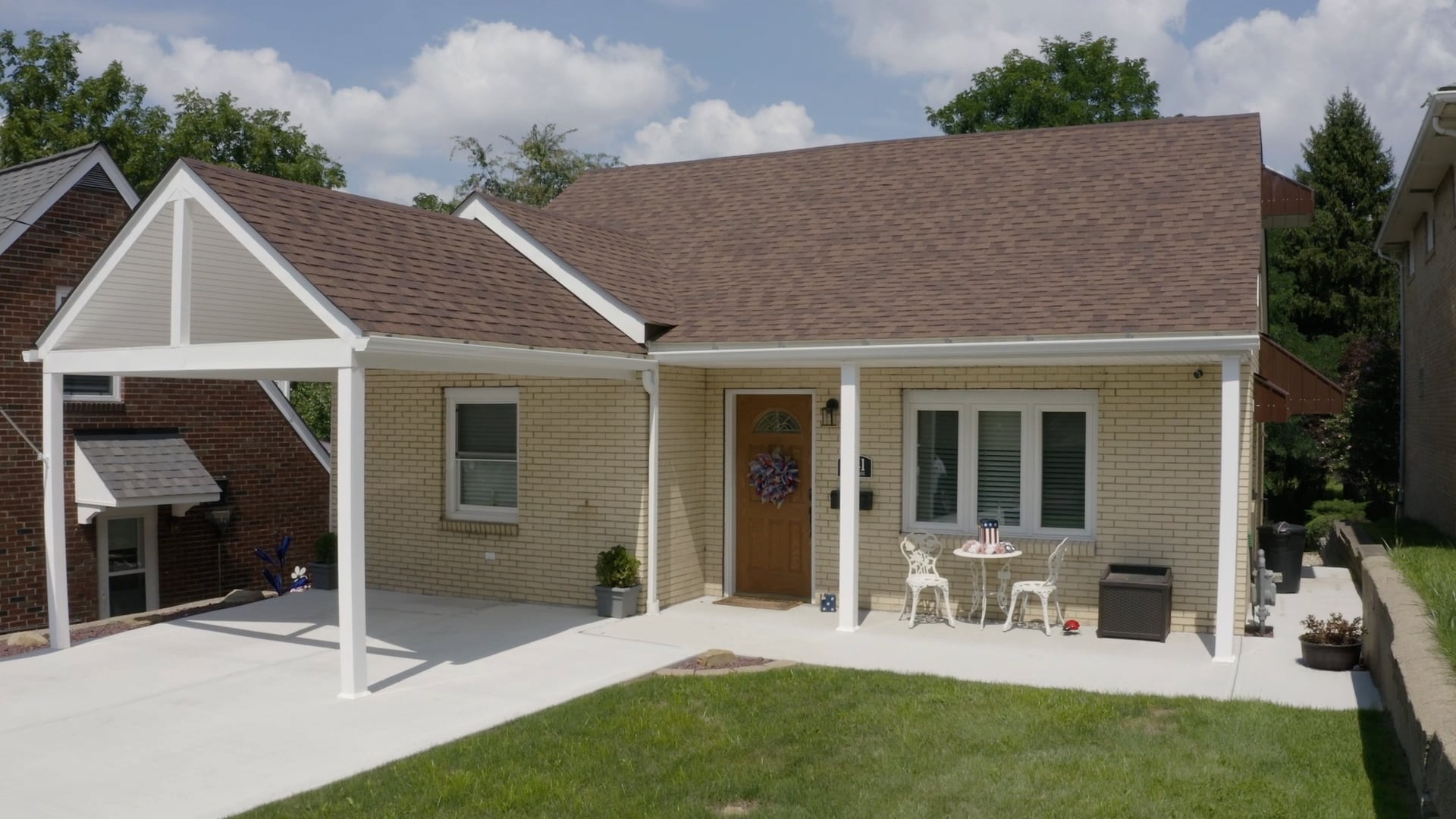
The population of Americans over 65 is on the rise, and with it comes a growing need for homes that are better suited for aging residents. According to a recent study, one in six Americans are already over 65, and by 2060, this number is projected to increase to one in four. This demographic shift has significant implications for housing, as the stock of aging-ready homes may not be sufficient to meet the demand.
The rapid aging of the American population isn’t just a national statistic; it’s a reality felt acutely in communities like Valdosta, Georgia. While specific demographic data for Valdosta County isn't readily available, statewide trends in Georgia mirror the national picture. Georgia's aging population presents unique challenges and opportunities for the region, impacting everything from healthcare to housing. The increase in older adults means a greater need for accessible and adaptable housing options, especially as many seniors prefer to remain in their communities as they age. This preference underscores the importance of creating “aging-ready” homes that allow individuals to maintain independence and quality of life within familiar surroundings.
Heather Simon, a mortgage lender with 35 years of experience, has observed a notable trend in her client base. In recent years, couples who have lived in their homes for decades are finding that their current living situations are no longer suitable. These individuals are in need of one-level homes with features that allow for aging in place, such as a master suite on the first floor, wider hallways, fewer stairs, and zero-step showers. However, the inventory of such homes is currently low.
Simon’s observations are supported by national data. The 2019 U.S. Census analysis highlighted the potential inadequacy of existing housing stock for the growing older population. The Census definition of “aging-ready homes” – dwellings with a bedroom and full bathroom on the first floor and a step-free entryway – provides a baseline for accessibility, but many seniors require even more specialized features to truly age comfortably in place. The lack of suitable options often forces families to make difficult decisions about where their loved ones will live, sometimes leading to costly and stressful transitions.
Experts like Heather Simon and Beth Powell, who owns Home with Heart and assists clients in downsizing, agree that the demand for these homes is high but the supply is limited. They emphasize that moving elderly parents into the right place that fits their health needs and lifestyle is a significant challenge. Powell notes that patio homes are not suitable due to their lack of accessibility and high cost, making it difficult for elderly homeowners to downsize without incurring significant debt.
The emotional toll of downsizing is often underestimated. After decades in a home, the accumulation of memories and possessions creates a powerful attachment. For many seniors, the decision to downsize isn’t just about square footage; it’s about letting go of a significant chapter of their lives. The process can be emotionally draining, requiring not only logistical planning but also emotional support and counseling. Furthermore, the financial considerations are complex. While downsizing can free up equity, the cost of purchasing or renovating a new home can be substantial, especially in a market with limited inventory.
The features that define an “aging-ready” home extend beyond the basic Census definition. Wider doorways (at least 36 inches) to accommodate wheelchairs or walkers, lever handles on doors and faucets, grab bars in bathrooms, and adjustable countertops are all essential for creating a safe and accessible environment. Retrofitting an existing home to incorporate these features can be a viable option, but it’s often more expensive and disruptive than building or buying an aging-ready home from the start. The cost of retrofitting can range from a few thousand dollars for minor modifications to tens of thousands for more extensive renovations. Local contractors specializing in accessibility modifications are becoming increasingly important resources for homeowners looking to age in place.
Local residents in Valdosta are beginning to recognize the importance of aging-ready homes. Heather Simon and Beth Powell emphasize that the best approach is to start the conversation early, before a crisis occurs. This proactive planning can help ensure that elderly parents or loved ones are moved into a home that better suits their needs, reducing the emotional and financial stress that can arise from last-minute decisions.
The community is starting to take notice of this growing trend. Local real estate agents and housing experts are working to increase awareness and provide resources to help families navigate the process of finding the right home for their aging relatives. Local organizations, such as senior centers and community support groups, are also playing a vital role in educating residents about aging-in-place options and connecting them with relevant services. Increased collaboration between builders, real estate professionals, and healthcare providers is crucial to meeting the evolving needs of the aging population in Valdosta.
Simon explains, “Couples that have maybe lived in their house for 30-plus years, and their house no longer is conducive for them to be able to live in it, like multiple levels. It seems to be a problem.” She notes that many clients are downsizing from large homes with 4,000 to 5,000 square feet of space to smaller, one-level homes with aging-in-place features.
Beth Powell adds, “Some folks will say, well, a patio home is the answer. A patio home is not the answer because, one, they’re not accessible. Two, they’re very expensive. And if somebody has lived in their home and they’ve paid their home off, why should they go into debt at the end of their life for an enormous amount of money?”
Powell's point highlights a critical financial consideration for many seniors: preserving their assets and avoiding unnecessary debt in retirement. The desire to remain financially secure often clashes with the need for accessible housing, creating a complex dilemma for families.
Addressing the shortage of aging-ready homes requires a multi-faceted approach, including government initiatives and incentives. While specific local programs in Valdosta are still developing, state and federal programs offer potential avenues for financial assistance and support. These may include tax credits for home modifications, grants for accessible housing construction, and subsidies for senior living facilities. Advocacy groups are working to expand these programs and make them more accessible to seniors and their families. Understanding eligibility requirements and navigating the application process can be challenging, so local agencies specializing in senior services can provide valuable assistance.
Local builders and developers have a crucial role to play in responding to the demand for aging-ready homes. Incorporating universal design principles into new construction projects can create homes that are not only accessible for seniors but also appealing to a wider range of buyers. This includes features like zero-step entries, wider hallways, and adaptable floor plans. The increased awareness of the aging population's needs presents a business opportunity for builders willing to cater to this growing market.
The growing need for aging-ready homes is a pressing issue for the Valdosta community. Local real estate professionals are working to address this issue by increasing awareness and providing resources to help families find the right homes. However, more needs to be done to ensure that elderly residents have access to the homes they need to live comfortably and safely in their golden years.
Experts suggest that the best approach is to start the conversation early and plan for the future. This can help prevent last-minute decisions that may be more expensive and less suitable for elderly relatives. By working with a team of professionals, families can find the right fit for their aging loved ones, ensuring they have a home that accommodates their needs and lifestyle.
For Rita's Take:
Rita's Take: As the population of older Americans continues to grow, it is crucial for our community to address the need for aging-ready homes. This issue goes beyond just real estate; it is about ensuring that our neighbors and loved ones have a comfortable and safe place to age. The lack of such homes can lead to significant emotional and financial stress for families. By starting the conversation early and working with professionals who can provide guidance, we can help ensure that our elderly residents have the support they need to live their golden years with dignity.
By Margaret

By Cynthia Blake

By Mohammed Ahsan

By Marcus Davis